Every resident who moves into an apartment must activate utilities. Electricity, internet, gas, and other essential services are part of the move process.
Yet most multifamily portfolios treat utility activation as a simple checklist item rather than a financial opportunity.
For property managers responsible for hundreds or thousands of units, this creates a major blind spot. Residents will always set up utilities before move-in, but the property often has no role in that process.
This means that every year, thousands of service activations occur across a portfolio without generating any revenue for the property.
A structured utility revenue-sharing multifamily strategy changes this model.
Instead of leaving residents to search for providers on their own, properties can integrate preferred utility partners directly into the move process. When residents activate services through those partners, the property receives a share of the revenue.
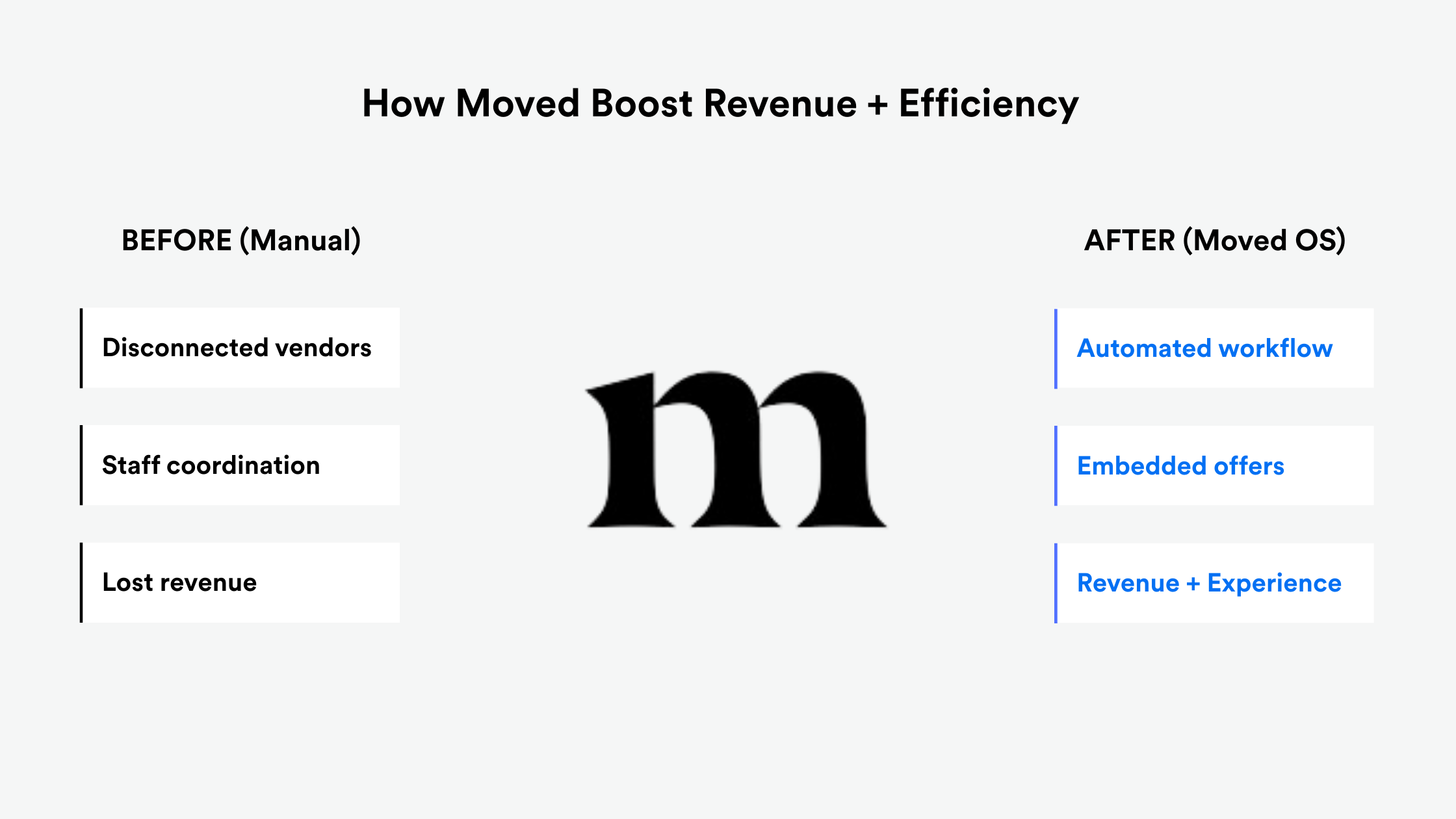
Modern move infrastructure platforms make this possible by embedding service partnerships into resident onboarding & offboarding workflows. Utilities, movers, storage providers, and insurance partners can all be presented during the move process.
For property managers, this approach transforms the move moment from a logistical task into a structured revenue opportunity.
Utility Revenue Sharing Multifamily Explained
Utility revenue sharing refers to partnerships between multifamily operators and service providers such as electricity companies, internet providers, and energy marketplaces.
In these partnerships, residents are presented with curated provider options during the move process. If a resident activates a service through one of those providers, the property receives a share of the transaction.
This structure allows operators to participate in the value created during service activation.
A utility revenue-sharing multifamily model works best when it is integrated directly into the resident onboarding and offboarding workflow.
Instead of requiring residents to research providers independently, the property provides a simplified experience that allows services to be activated quickly during move preparation.
This creates benefits for all parties involved.
Residents get an easier move experience.
Service providers receive highly qualified customers.
Property operators generate ancillary income during resident onboarding and offboarding.
Because utility setup is mandatory before move-in, the conversion rate during this stage is significantly higher than in typical marketing channels.
That is why many multifamily operators are beginning to view utility activation as a structured revenue opportunity rather than a simple administrative task.
Why Traditional Move-Ins Miss Utility Revenue Opportunities
Most apartment communities still manage move-ins using fragmented systems.
A typical process looks like this:
- Resident signs a lease
- Property sends move instructions
- Resident independently searches for utilities
- Resident activates electricity and internet
- Property requests proof of activation
From an operational perspective, this process completes the necessary tasks.
However, it creates several problems for property operators.
Lost Ancillary Income
Every resident who activates utilities represents a potential revenue opportunity. When residents choose providers independently, the property receives no financial benefit from those transactions.
Across a large portfolio, this can represent thousands of missed opportunities each year.
Fragmented Resident Experience
Residents must search online for providers, compare options, and schedule activation dates themselves.
This creates unnecessary friction during an already stressful move process.
Lack of Visibility
Property teams rarely have insight into which providers residents choose.
Without centralized tracking, operators cannot evaluate:
- service activation trends
- provider performance
- resident preferences
Manual Compliance Processes
Many communities require proof that utilities are active before residents move in. Teams often rely on emails or document uploads to verify this information.
This manual approach increases administrative work and creates potential compliance gaps.
These gaps highlight why a structured utility revenue-sharing multifamily strategy is becoming increasingly attractive for property operators.
How Utility Revenue-Sharing Multifamily Partnerships Work
Utility partnerships create a structured way for properties to generate revenue while simplifying the move process.
The model typically includes three key components.
Embedded Service Marketplace
Residents see curated utility providers directly within the move process.
Instead of searching independently, they can review available providers as they prepare for their move.
Common services include:
- electricity providers
- internet services
- cable providers
- energy plans
This creates a convenient experience for residents while ensuring the property maintains visibility into service activation.
Guided Service Activation
Once a resident selects a provider, the activation process can be completed quickly within the move workflow.
Residents do not need to leave the platform or navigate multiple websites.
This streamlined process significantly improves completion rates.
Revenue Sharing Structure
When residents activate services through the integrated providers, the property receives a portion of the transaction value.
These partnerships are structured through flexible commercial models that align with the financial goals of the property portfolio.
The result is a consistent ancillary revenue stream tied directly to resident move activity.
How Moving Infrastructure Enables Utility Revenue Sharing In Multifamily
Utility partnerships are most effective when they are integrated into the broader resident move workflow.
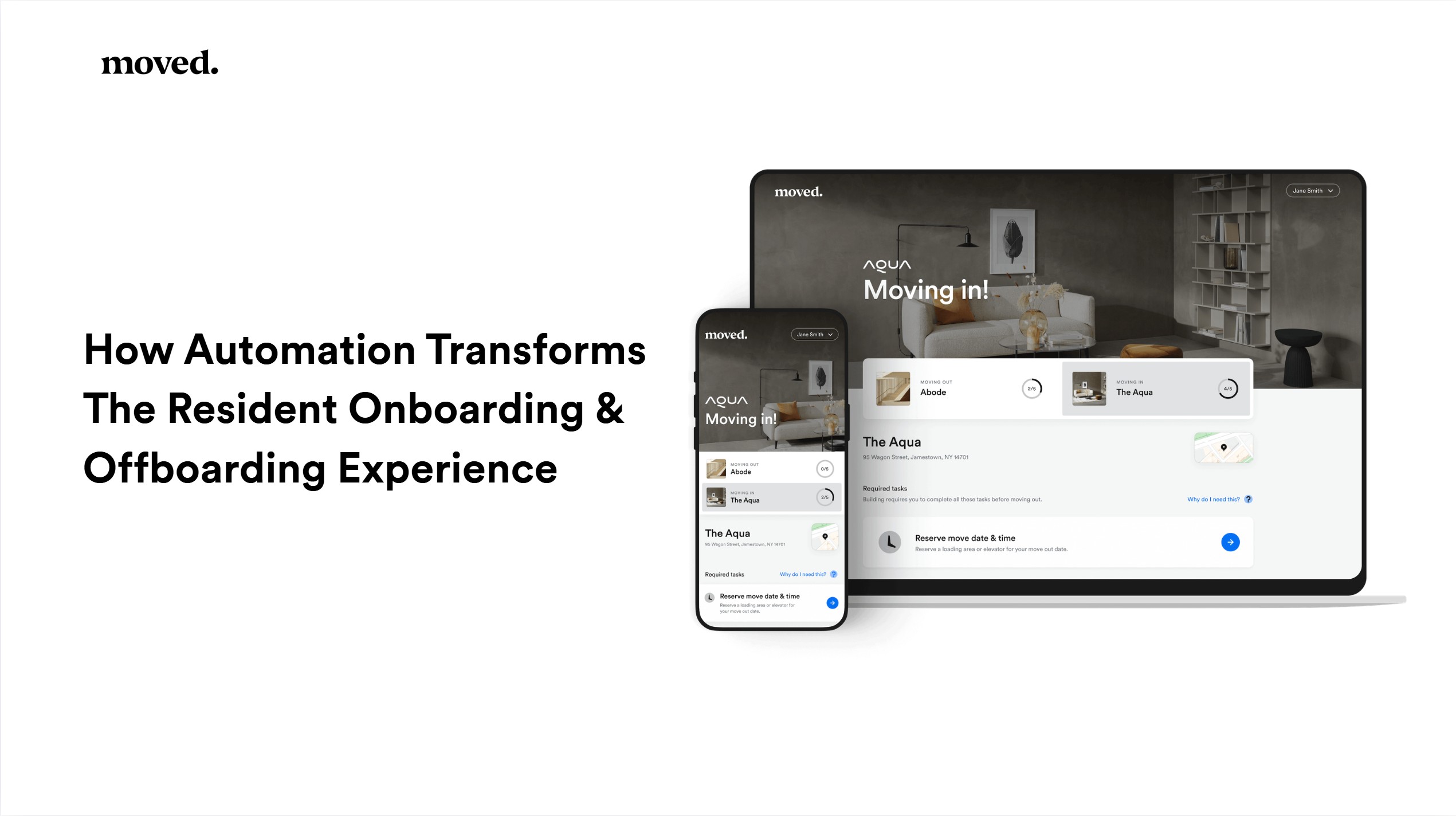
Move infrastructure platforms automate the entire onboarding and offboarding process, ensuring essential tasks are completed in the correct order.
During the move process, residents can complete tasks such as:
- setting up utilities
- scheduling movers
- activating internet service
- verifying renters insurance
- reserving elevators
This approach centralizes the move experience in one location.
Residents can access a guided dashboard where they complete required tasks while also exploring helpful services.
For example, residents can use Resident moves, automated, to complete essential onboarding and offboarding steps in a structured workflow designed specifically for apartment communities.
Embedding these services inside the move process allows properties to capture service demand during the highest-intent moment in the resident lifecycle.
Expanding Utility Revenue Sharing, Multifamily With Moving Services
Utilities represent only one category of service during the move process.
Residents also need assistance with physical relocation, which creates another revenue opportunity.
Many residents choose to hire professional movers, purchase packing supplies, or arrange storage during their move.
By embedding these services into the onboarding and offboarding process, properties can expand their ancillary revenue strategy.
Residents preparing for their move can easily access professional moving services directly through the embedded feature within their resident journey. This creates a convenient, integrated experience while generating additional service conversions without requiring residents to navigate to external consumer sites.
This creates a convenient experience while generating additional service conversions.
For operators managing large apartment portfolios, centralized coordination of moving services can also improve operational visibility. Property teams can work with providers designed specifically for apartment communities through services like Hire Multifamily Movers.
When moving services, utilities, insurance, and internet providers are all embedded into the move workflow, the property unlocks a broader revenue model tied to each resident move.
Compliance Benefits In Utility Revenue Sharing Multifamily Models
Utility partnerships also strengthen compliance processes.
Many apartment communities require residents to activate electricity before moving into a unit.
Without automation, verifying this requirement can create extra work for leasing teams.
Embedded verification systems allow residents to confirm service activation during the onboarding and offboarding process.
This creates several operational benefits.
Simplified Documentation
Utility activation records can be collected and stored automatically.
Reduced Administrative Work
Site teams no longer need to manually request documents from residents.
Improved Compliance Visibility
Operators gain a centralized view of which residents have completed required tasks.
These improvements reduce operational friction while ensuring essential move requirements are met.
Why Utility Revenue Sharing For Multifamily Works Best During Move-Ins
The resident move moment represents one of the highest-intent purchasing periods in the entire rental lifecycle.
During this time, residents are actively spending money on relocation.
They are scheduling movers, purchasing supplies, and activating services.
Because these decisions must be made quickly, residents are more likely to accept convenient options presented during the move process.
This makes move-in an ideal time to introduce service partnerships.
Instead of marketing services after the resident has settled into the property, operators can capture demand at the exact moment when services are required.
A well-structured utility revenue-sharing multifamily strategy takes advantage of this natural demand.
The result is higher service adoption, improved resident experience, and new ancillary revenue streams for the property.
The Future Of Ancillary Revenue In Multifamily
As operating costs rise across the rental housing industry, property operators are increasingly focused on non-rent revenue strategies.
Ancillary income allows portfolios to increase revenue without raising rents.
Utility partnerships represent one of the most scalable approaches.
When embedded into automated move workflows, they can be implemented consistently across hundreds or thousands of units.
Benefits include:
- predictable move-driven revenue
- improved resident experience
- centralized operational oversight
- simplified compliance processes
When utilities are combined with additional services such as movers, storage, and insurance, the move process becomes a structured revenue engine for the property.
Conclusion
Utility activation is one of the few tasks every resident must complete before moving into a new apartment.
Despite this universal requirement, most properties have historically treated the process as an administrative step rather than a strategic opportunity.
A structured utility revenue-sharing multifamily approach changes that.
By integrating preferred service providers directly into the resident move workflow, property operators can create new ancillary income streams while improving the resident experience.
Utilities, moving services, internet providers, insurance, and storage solutions can all be embedded into the onboarding and offboarding process.
This approach transforms the move moment into a coordinated infrastructure that supports both operational efficiency and financial performance.
For multifamily operators looking to unlock new revenue opportunities during resident onboarding and offboarding, the next step is to explore how the model works in practice.
If you want to see how this approach can apply to your portfolio, you can book a demo and explore how automated move infrastructure can generate revenue while simplifying resident moves.
FAQ
1. What Is Utility Revenue Sharing In Multifamily Housing?
Utility revenue sharing in multifamily housing is a partnership model where property operators work with utility providers, such as electricity or internet companies. When residents activate services through those providers during the move process, the property receives a share of the revenue generated.
2. How Does Utility Revenue Sharing For Multifamily Work?
Utility revenue-sharing multifamily models integrate service providers directly into the resident move workflow. When residents activate utilities during move preparation, the transaction generates revenue for the property through a structured partnership agreement.
3. Why Are Move-Ins The Best Time For Utility Partnerships?
Move-ins are one of the highest-intent moments in the resident lifecycle. Residents must activate electricity, internet, and other services before occupying a unit. Presenting providers during this stage increases activation rates and creates opportunities for ancillary revenue.
4. Can Utility Partnerships Improve Property Operations?
Yes. When utilities are integrated into the move workflow, properties gain better visibility into activation status. This helps verify compliance requirements, reduce manual follow-ups, and centralize documentation related to resident onboarding and offboarding.
5. Do Residents Benefit From Utility Revenue-Sharing Programs?
Residents benefit from a simplified move experience. Instead of researching providers independently, they can activate essential services directly through the move process, saving time and reducing complexity during relocation.