Managing move-ins across a large portfolio is one of the most demanding parts of property operations. For teams responsible for hundreds or even thousands of units, coordinating paperwork, scheduling movers, handling resident questions, and ensuring every step happens on time can quickly become overwhelming.
Many property teams still rely on manual steps such as emails, spreadsheets, and phone calls. While this may work for small properties, it becomes inefficient when the number of residents grows.
This is why many operators are now choosing to automate move-in process multifamily portfolios. Automation helps property teams coordinate move-ins faster, reduce manual work, and provide a smoother experience for residents.
Platforms like Moved help property teams simplify resident transitions by managing logistics, communications, and moving services in one place. Instead of chasing paperwork or coordinating vendors manually, property managers can provide a structured move-in journey for every resident.
When residents can easily schedule services like Hire Movers directly through the process, both the resident experience and operational efficiency improve.
This guide explains how enterprise property teams can automate move-ins across large portfolios while improving efficiency, consistency, and resident satisfaction.
Why Move-Ins Become Difficult at Enterprise Scale
Move-ins are one of the most frequent operational events in multifamily housing. Every resident will eventually move in, which means property teams manage these transitions continuously throughout the year. While the process may appear simple at first, it becomes significantly more complex when portfolios grow beyond a few hundred units.
For property managers overseeing multiple buildings or large communities, move-ins involve coordination between leasing teams, operations staff, residents, and third-party vendors. Each step requires communication, scheduling, and follow-up. When this coordination is handled manually, the workload increases quickly.
Multiple Properties Mean Multiple Processes
Large portfolios often include different property types, locations, and operational structures. Some buildings may require elevator reservations, others require loading dock scheduling, while some may need move-in inspections before residents arrive.
When each property manages move-ins differently, operational consistency becomes difficult. Teams must track unique instructions, manage separate communication templates, and answer the same questions repeatedly for different residents.
Without a standardized workflow, staff members often rely on spreadsheets, email chains, or manual checklists to keep track of move-in requirements. This approach becomes harder to manage as the number of residents increases.
Manual Coordination Slows Operations
Move-ins involve a series of tasks that must happen in the correct order. These often include sending welcome instructions, confirming move-in dates, scheduling building access, coordinating movers, and preparing the unit.
When these steps are handled manually, leasing and operations teams spend significant time coordinating logistics. They must answer resident emails, confirm move-in windows, and communicate building policies. Even a single move-in may involve several emails and calls.
Multiply that effort across dozens or hundreds of residents, and the workload becomes difficult to manage.
Resident Experience Becomes Inconsistent
When move-ins are managed manually, the resident experience often varies from one property to another. Some residents may receive detailed guidance, while others receive limited information about what to expect.
This inconsistency can lead to confusion. Residents may not know when they can move in, how to reserve elevators, or which services are available to help them relocate.
For property managers responsible for large portfolios, improving consistency is one of the main reasons teams begin looking for ways to automate the move-in process in multifamily portfolios.
What It Means to Automate the Move-In Process in Multifamily
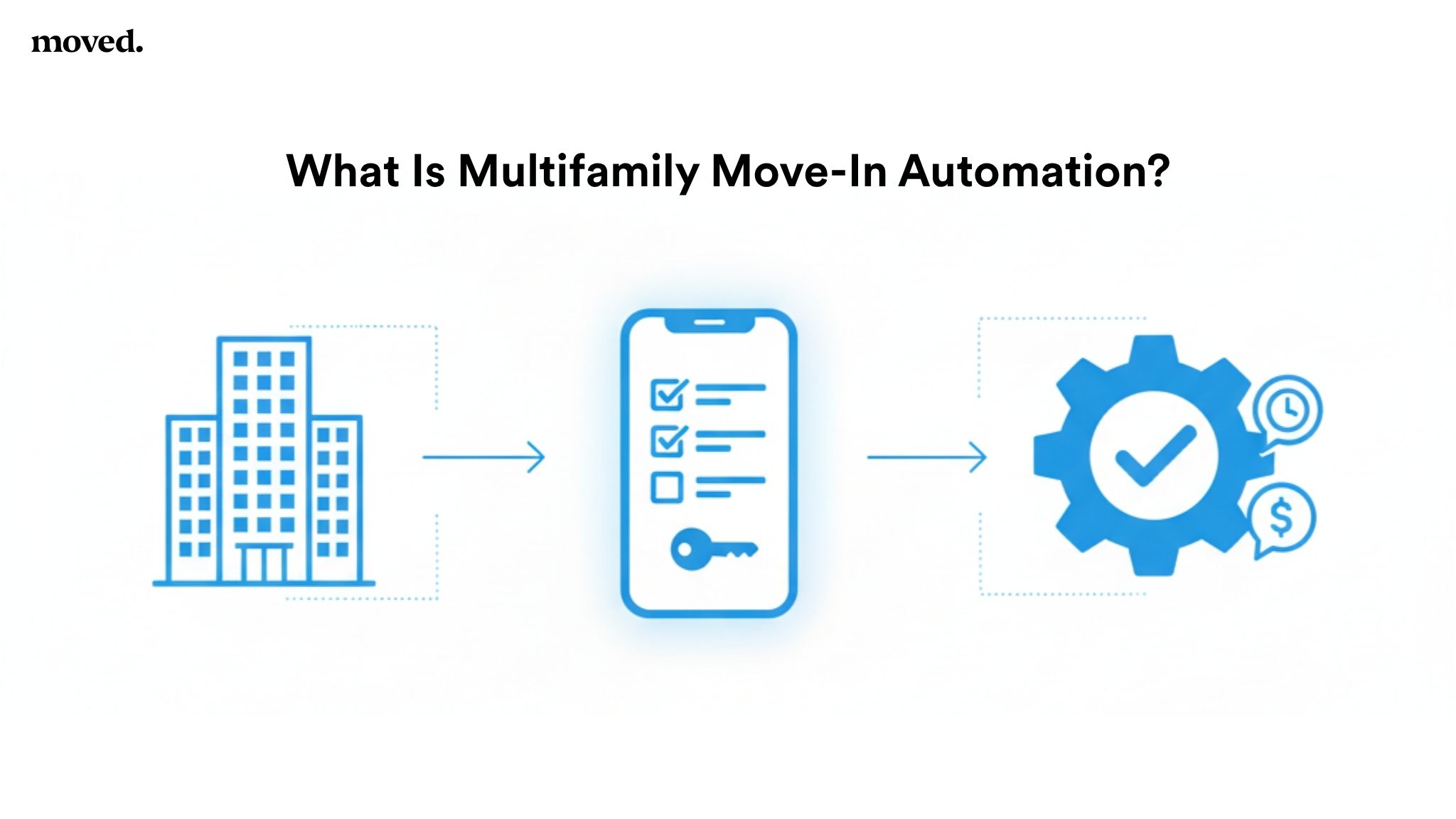
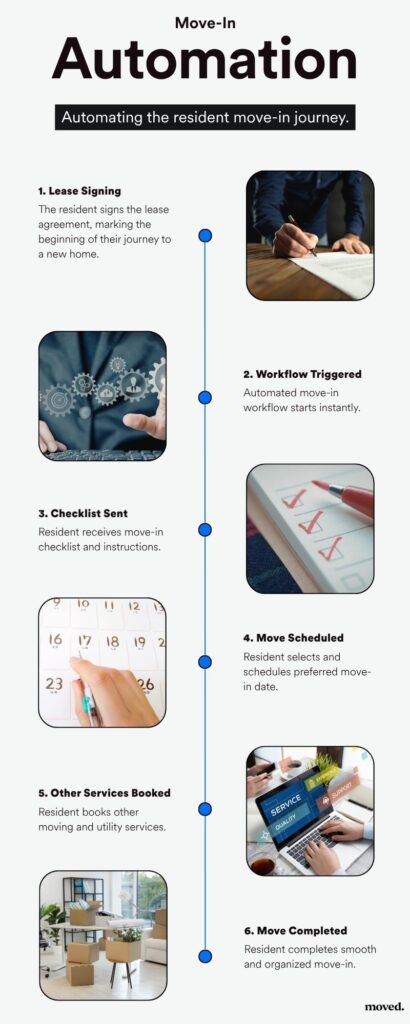
Automation replaces manual coordination with structured workflows that guide both residents and property teams through the move-in journey.
Instead of relying on emails, spreadsheets, and manual reminders, automation platforms create a step-by-step system that ensures each move-in follows the same process.
When property teams automate the move-in process for multifamily operations, every resident receives clear instructions, and each task is completed in the correct sequence.
Structured Resident Workflows
Automation platforms create digital workflows that guide residents through every step of the move-in process.
These workflows may include:
- Move-in preparation instructions
- Required documents or forms
- Scheduling options
- Moving service coordination
- Checklists for utilities and address changes
Rather than asking the property team for every detail, residents can follow a structured system that shows them what to do next.
Solutions such as Resident moves are automated. allow property managers to provide residents with a guided experience that organizes the entire move-in process from start to finish.
Automated Communication
One of the most time-consuming aspects of move-ins is communication. Property teams must send reminders, instructions, and confirmations to residents.
Automation simplifies this process by sending scheduled messages automatically.
Residents can receive:
- Move-in reminders
- Preparation instructions
- Building policies
- Scheduling confirmations
This reduces the number of emails and calls that property teams must manage manually.
Coordinated Vendor Services
Move-ins often require coordination with vendors such as movers or building service providers. When residents must search for these services on their own, the process becomes less convenient.
Automation platforms allow residents to arrange services during the move-in process itself. Instead of searching online for vendors, residents can quickly Hire Movers while completing their move-in steps.
This simplifies logistics and ensures residents have access to reliable services.
The Hidden Operational Costs of Manual Move-In Processes
Many property teams underestimate the operational impact of manual move-in management. While the process may appear manageable on the surface, manual coordination often creates hidden costs across large portfolios.
Staff Time Spent on Repetitive Tasks
Property managers and leasing teams often spend hours each week answering similar questions from residents.
These questions may include:
- When can I move-in?
- How do I reserve the elevator?
- Can I move on weekends?
- Do I need to schedule movers?
When these questions are answered individually through email or phone calls, staff productivity decreases.
Automation removes much of this repetitive communication by providing residents with structured information and automated reminders.
Operational Errors
Manual tracking systems often lead to mistakes. For example, staff may accidentally double-book elevators, miss move-in confirmations, or overlook required documentation.
These issues may create delays on move-in day and cause frustration for residents and staff.
Automation reduces these risks by ensuring tasks follow a predefined workflow. When steps are automated, the system helps prevent missed instructions or scheduling conflicts.
Slow Resident Onboarding
The move-in process is the first major interaction residents have with property operations after signing a lease. If the experience is confusing or disorganized, residents may begin their tenancy with a negative impression.
A clear and structured onboarding process helps residents feel confident and prepared for move-in day.
How Enterprise Property Managers Automate Move-Ins
Large property portfolios require systems that support consistency and scalability. When property managers automate move-ins, they typically focus on a few key operational components.
Centralized Move-In Workflow
The foundation of move-in automation is a centralized workflow that defines each step in the process.
This workflow ensures every resident receives:
- The same instructions
- The same scheduling options
- The same preparation guidance
By standardizing the process across properties, teams reduce operational variability and improve consistency.
Automated Scheduling
Scheduling move-ins manually can create logistical challenges. Properties must manage move-in windows, elevator access, and loading dock availability.
Automation platforms allow residents to select available time slots themselves. This reduces scheduling conflicts and eliminates the need for staff to manually coordinate move-in times.
Integrated Moving Services
Move-ins often involve professional movers, especially in multifamily buildings with elevator reservations or parking restrictions.
Instead of requiring residents to search independently, platforms can allow residents to Hire Multifamily Movers during the move-in process.
Providing this option simplifies logistics and improves convenience for residents.
Portfolio-Wide Visibility
Enterprise property managers often oversee multiple properties across different regions. Automation platforms provide visibility across the entire portfolio.
Management teams can track:
- Upcoming move-ins
- Completed onboarding steps
- Scheduled moving services
- Resident progresses through the workflow
This level of oversight helps operations teams anticipate potential issues and ensure everything runs smoothly.
How Automation Improves the Resident Experience
Move-ins are often stressful for residents. Packing, scheduling movers, and coordinating logistics can create significant pressure.
Automation helps simplify this experience by providing residents with clear guidance and convenient tools.
Clear Instructions
Residents receive step-by-step instructions explaining exactly what they need to do before moving in.
Instead of searching through multiple emails, residents follow a single process that organizes every task.
Easy Scheduling
Automation allows residents to schedule move-in dates, service providers, and other logistics directly within the workflow.
This self-service approach gives residents more flexibility while reducing the administrative workload for property teams.
Faster Access to Moving Services
Residents often struggle to find reliable movers at the last minute. When moving services are integrated into the move-in process, residents can easily arrange assistance.
For example, residents can quickly Hire Movers during the onboarding workflow instead of searching for providers independently.
Better First Impressions
The move-in experience sets the tone for the entire resident relationship. When the process is organized and easy to follow, residents feel more confident about their new home.
A smooth move-in experience also reflects positively on property management teams.
Automating Move-Ins for Portfolios With 1,000+ Units
Large portfolios face unique operational challenges when managing resident transitions.
When properties handle hundreds of move-ins each year, even small inefficiencies can create significant workload increases for staff.
Scalable Operations
Automation allows property teams to manage high volumes of move-ins without increasing staff workload.
Once workflows are established, the same system can support hundreds or thousands of residents.
Standardized Processes Across Properties
Automation ensures each property follows the same operational framework.
This standardization improves training for staff members and ensures residents receive consistent experiences across the portfolio.
Operational Reporting
Automation platforms provide insights into move-in performance.
Property managers can track metrics such as:
- Number of scheduled move-ins
- Workflow completion rates
- Resident engagement with the process
- Service bookings
These insights help operations teams identify improvements and optimize workflows.
Key Features to Look for in Move-In Automation Software
Not all automation tools offer the same capabilities. Property managers evaluating solutions should focus on features that support both operational efficiency and resident convenience.
Resident Workflow Automation
The platform should provide structured workflows that guide residents through the move-in process step by step.
This ensures residents understand exactly what they need to do and when.
Integrated Moving Services
Residents should be able to schedule moving assistance within the workflow.
This allows residents to quickly Hire Movers while completing their onboarding tasks.
Vendor Coordination
Automation platforms should support integration with trusted vendors that provide moving or relocation services.
This reduces the complexity of coordinating multiple service providers.
Portfolio Management Tools
Enterprise property teams need visibility across all properties.
Management dashboards should allow teams to track move-in progress across multiple communities simultaneously.
Communication Tools
Automation platforms should include built-in messaging tools that deliver reminders, instructions, and notifications to residents automatically.
Why Automation Also Creates New Revenue Opportunities
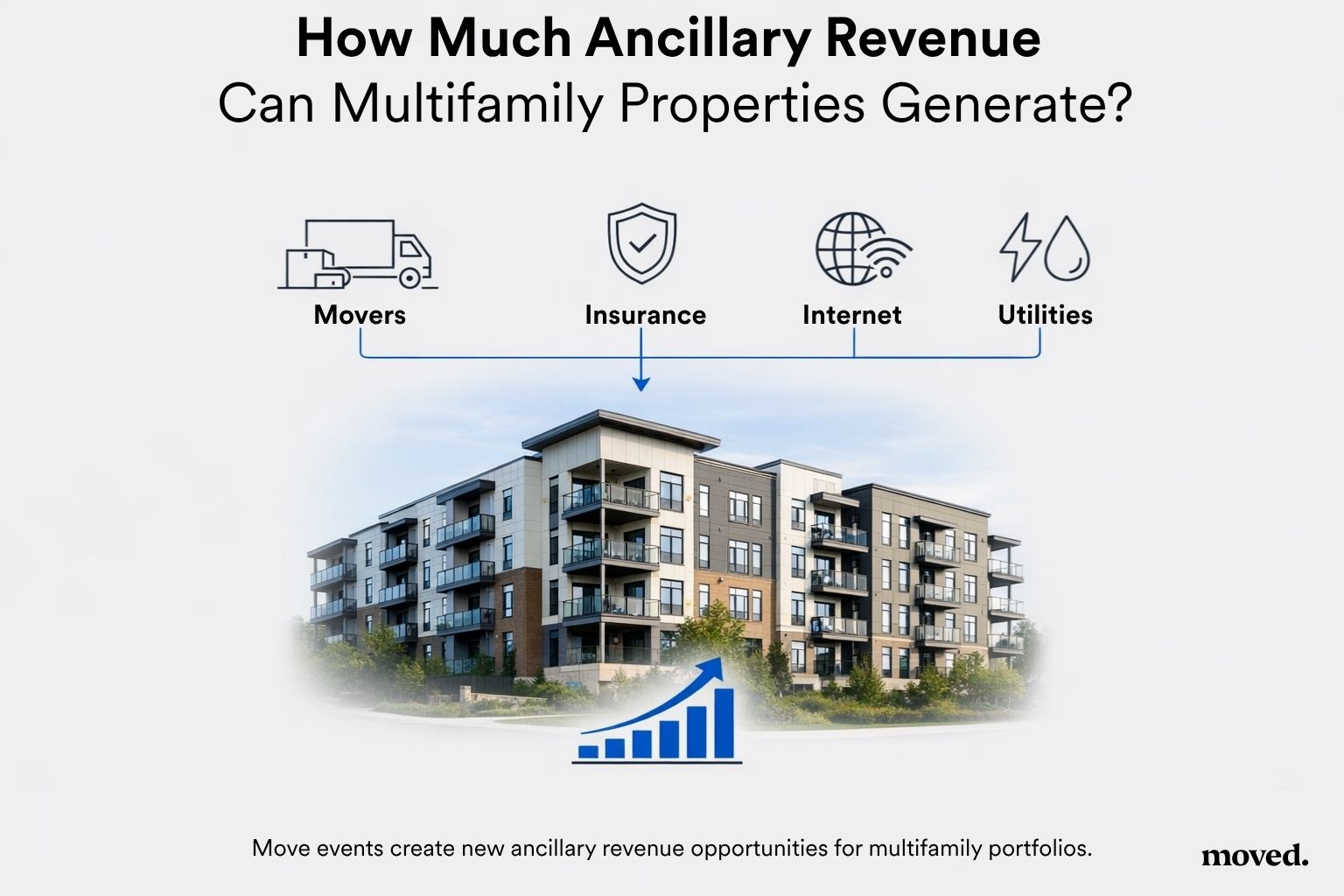
While the primary goal of automation is operational efficiency, move-in workflows can also support new revenue opportunities.
Move-ins represent a moment when residents actively need services. When these services are integrated into the workflow, properties can create additional value for residents while generating revenue.
Service Partnerships
Property managers can partner with service providers such as moving companies to offer convenient options to residents.
Residents benefit from trusted service recommendations, while properties can streamline logistics.
Convenience-Based Services
Residents may also benefit from optional services that make the move easier.
For example, during the onboarding process, residents may explore relocation services or assistance options available within the workflow.
Better Resident Retention
A positive move-in experience contributes to overall resident satisfaction.
Residents who experience a smooth transition are more likely to feel confident about their choice of property.
Steps to Start Automating Move-Ins Across Your Portfolio
Property managers interested in automation can begin by evaluating their current move-in workflows and identifying areas that require improvement.
Step 1: Review the Current Process
Start by documenting each step in the move-in process.
This may include:
- Lease signing
- Welcome communications
- Scheduling instructions
- Vendor coordination
Understanding the full workflow helps identify inefficiencies.
Step 2: Identify Repetitive Tasks
Many move-in tasks involve repetitive communication and scheduling.
Automation can eliminate these tasks by replacing manual coordination with structured workflows.
Step 3: Introduce Resident Workflows
Automation platforms guide residents through onboarding steps using a clear digital process.
This reduces confusion and ensures residents complete required actions on time.
Step 4: Integrate Moving Services
Providing integrated services simplifies logistics for residents.
Instead of searching independently, residents can hire Multifamily Movers as part of the move-in workflow.
Step 5: Scale Across the Portfolio
Once the workflow is implemented successfully at one property, it can be deployed across the entire portfolio.
Property teams can maintain consistency while improving operational efficiency.
For teams exploring automation platforms, scheduling a consultation or booking a demo can help demonstrate how move-in workflows operate at scale.
Conclusion
As multifamily portfolios grow, manual move-in coordination becomes increasingly difficult to manage. Property teams spend valuable time coordinating logistics, answering repetitive questions, and handling scheduling issues.
Automation changes this process entirely.
By implementing structured workflows, automated communication, and integrated moving services, property managers can simplify operations while improving the resident experience.
When large portfolios automate the move-in process for multifamily operations, they create consistent onboarding experiences across every property while reducing the operational workload for their teams.
For property managers exploring automation solutions, platforms like Moved provide tools that support both residents and operations teams. To see how automated move-in workflows work in practice, property managers can book a demo and explore how automation can scale across an entire portfolio.
Frequently Asked Questions
What does it mean to automate the move-in process in multifamily properties?
To automate the move-in process in multifamily operations, property managers replace manual tasks like emails, spreadsheets, and phone coordination with a structured digital workflow. Automation platforms guide residents through steps such as move-in scheduling, preparation checklists, and service coordination. This ensures every resident follows the same process while reducing administrative work for property teams.
Why do large multifamily portfolios need move-in automation?
Large portfolios may handle hundreds or thousands of move-ins every year. Managing these transitions manually creates operational challenges, including scheduling conflicts, repeated resident questions, and inconsistent onboarding experiences.
Automation helps property managers standardize processes across properties, reduce manual coordination, and provide residents with clear instructions during the move-in journey.
How does move-in automation improve the resident experience?
Move-in automation provides residents with a structured onboarding process that explains each step clearly. Residents receive reminders, preparation checklists, and scheduling options in one place.
This reduces confusion, improves communication, and helps residents organize their move more efficiently.
Can residents schedule movers during the automated move-in process?
Yes. Many move-in automation platforms integrate moving services directly into the workflow. This allows residents to arrange moving assistance while completing their onboarding steps.
Instead of searching for providers independently, residents can quickly Hire Movers as part of the move-in process.
What operational benefits do property managers gain from move-in automation?
Property managers benefit from automation in several ways:
- Reduced administrative workload
- Standardized move-in processes across properties
- Fewer scheduling errors
- Better visibility into upcoming move-ins
- Improved resident satisfaction
Automation allows property teams to manage larger portfolios without increasing operational complexity.
How can property managers automate move-ins across a large portfolio?
Property managers can begin by evaluating their current move-in workflows and identifying repetitive tasks such as scheduling coordination and resident communications.
Automation platforms help replace these manual steps with structured workflows that guide residents through the process. Once implemented, the system can scale across multiple properties and support thousands of move-ins annually.